
Imagine enjoying your favourite meal when you notice something feels different. Your dental bridge shifts slightly as you chew, or you feel a small gap with your tongue. It can be unsettling, especially when you don’t know what’s causing it.
A dental bridge in NE Calgary shifting from its original position could be due to many reasons. Despite being made to withstand chewing on a daily basis, the cement, supporting teeth and surrounding gums do change over time. Recognizing these potential causes will help you to know if you need to seek dental care.
What Is a Dental Bridge?
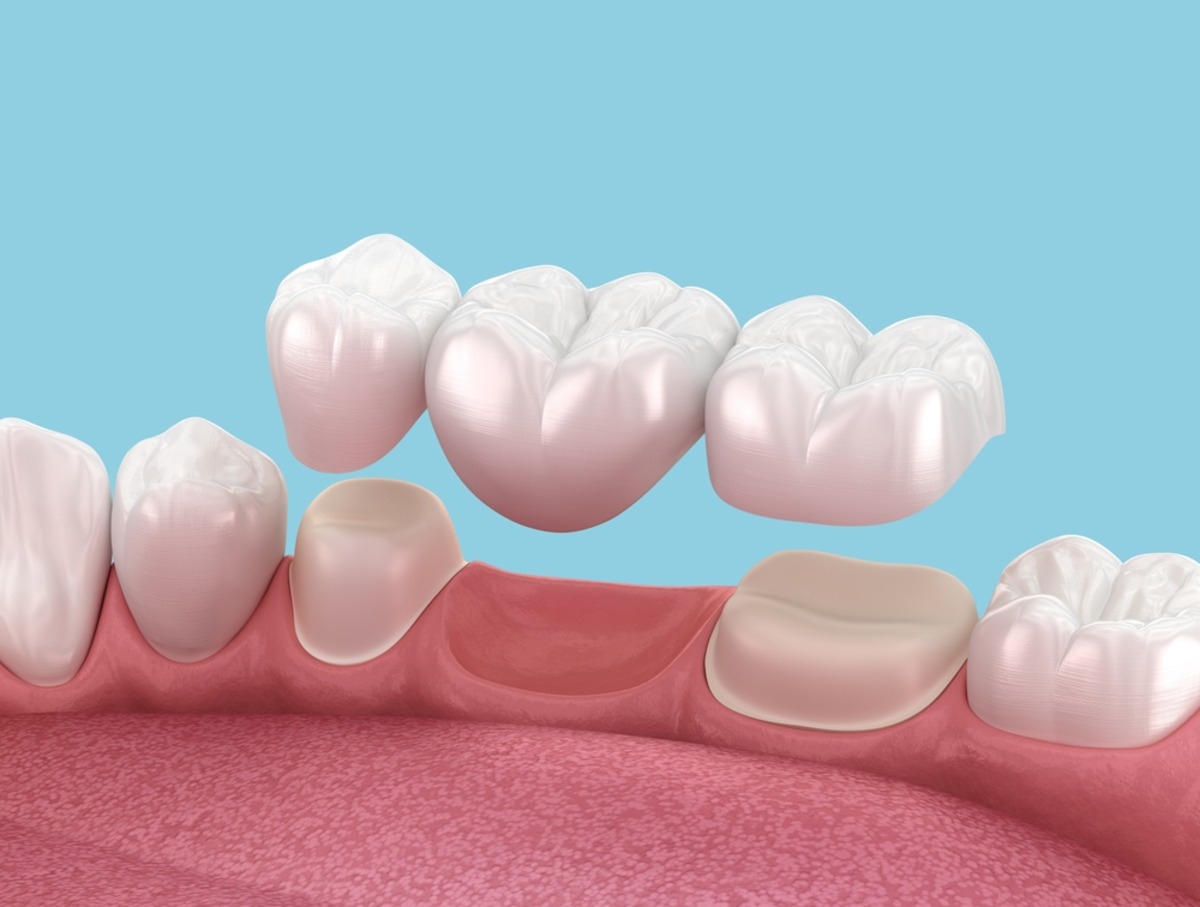
A bridge is a dental device used to replace a missing tooth or multiple missing teeth. It usually consists of an artificial tooth, called a pontic, supported by crowns attached to neighbouring teeth. These supporting teeth are known as abutments. Some bridges are attached to dental implants instead.
Since a bridge depends on these supporting structures, problems affecting the teeth, gums, or cement can interfere with its stability.
Why Does a Dental Bridge Become Loose?
Think of a bridge as a structure that needs strong supports and secure connections. If either becomes weakened, the structure may start to wobble.
The same applies to dental bridges. The cement holding the restoration may weaken over time, or the supporting teeth may develop problems that affect their ability to keep the bridge in place. Even slight movement is worth having checked rather than waiting for it to worsen.
What Causes a Loose Dental Bridge?
A loose bridge can be due to several factors:
- Tooth decay: Decay around or beneath a supporting crown weakens the tooth underneath.
- Worn dental cement: Years of chewing may weaken the bond that holds the bridge in place.
- Gum disease: Changes in the gums and supporting bone may affect the teeth anchoring the bridge.
- Teeth grinding: Clenching or grinding places extra pressure on the restoration.
- Hard or sticky foods: Ice, hard candy, and chewy treats can put unnecessary stress on the bridge.
- Injury: A blow to the mouth may damage or dislodge the restoration.
- Changes in tooth position: Small shifts in surrounding teeth can affect the bridge’s fit.
Signs Your Dental Bridge May Be Loose
A loose bridge doesn’t always cause pain. You might notice movement when chewing, a clicking sensation when biting, tender gums, an unusual taste or smell, or a visible gap near the gumline. New sensitivity in the supporting teeth can also be a sign that something has changed.
These symptoms can have different causes, so a dental examination is the best way to understand the problem.
What Should You Do If Your Dental Bridge Becomes Loose?
If you’re wondering what should you do if your dental bridge becomes loose, a few simple precautions can help protect the area until you see a dentist.
- Contact a dentist promptly to arrange an examination.
- Avoid chewing on that side and choose softer foods temporarily.
- Clean gently the area with a soft toothbrush to remove food debris.
- Avoid household glue or DIY repairs, which can damage your teeth or complicate treatment.
- Keep the bridge if it comes out and bring it to your appointment in a clean container.
Seek urgent professional care if you develop severe pain, facial swelling, fever, or difficulty swallowing.
How Can a Dentist Help?
A NE Calgary dentist can examine the bridge, check the supporting teeth and gums, and determine whether X-rays are needed.
Depending on the findings, the dentist may re-cement the bridge if the supporting structures remain healthy. If decay, gum problems, or damage are present, those issues may need treatment before repair or replacement is considered.
Visiting a NE Calgary dental clinic near you can help you understand the available options and what may be appropriate for your situation.
Get Help With Your Dental Bridge
A loose bridge can make everyday activities like eating and speaking feel less comfortable, but you don’t have to guess what’s wrong. Having it checked can help identify the cause and clarify the next steps before further problems develop.
For guidance about your dental concerns and possible treatment options, reach out to Totally Dental. Book your appointment today to understand what your bridge may need and how to care for your smile moving forward.
Frequently Asked Questions
Can a loose dental bridge be repaired?
Sometimes. A dentist may be able to secure the bridge again if it’s intact and the supporting teeth are healthy. Damage or decay may require additional treatment before the bridge can be repaired.
Is a loose dental bridge an emergency?
It requires quick dental care even though it doesn’t hurt. If you experience severe pain, swelling of the face, fever, or difficulty swallowing, you should seek assessment urgently.
Can I eat with a loose bridge?
It’s best to avoid chewing on the affected side and choose soft foods until your dentist examines it. Hard or sticky foods could make the bridge move further.
How can I help prevent my bridge from loosening?
Brush twice daily, clean underneath the bridge with suitable flossing aids, avoid chewing very hard objects, and attend regular dental checkups. If you grind your teeth, your dentist may recommend a night guard.