
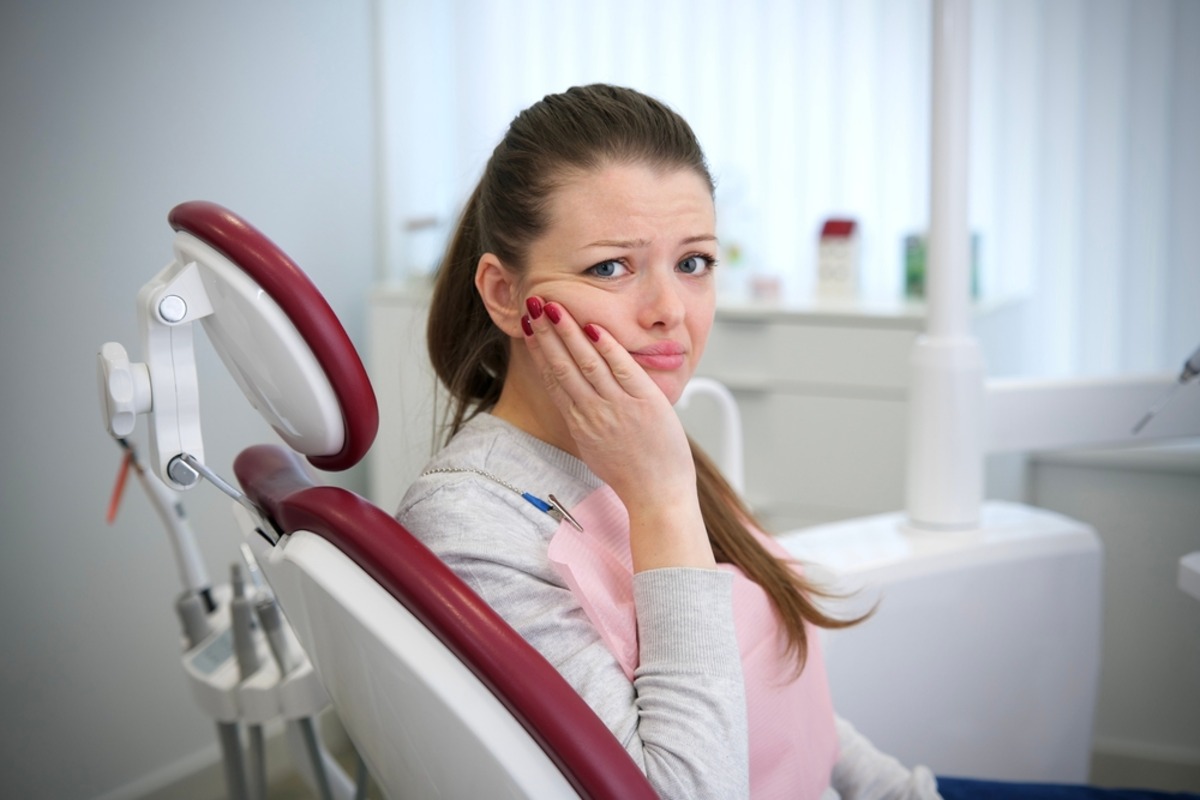
A dental crown is like a protective helmet for a tooth. It is made to keep the tooth safe, so it can be a surprise when you feel a “zing” or an ache after getting one.
If you just got dental crowns in NE Calgary, AB, it is normal to have questions about why your mouth feels a bit off.
Sensitivity is often just your tooth’s way of reacting to the work, but it can also mean your bite needs a small fix. Finding out why it hurts is the first step to feeling better.
Why Does It Feel Sensitive?
When a tooth is shaped for a cap, the outer layer is moved, which can sometimes bother the nerves inside for a little while.
- Grumpy Nerves: The tools used to get the tooth ready can leave the nerve feeling irritated for a few days.
- Thin Shell: If your tooth’s natural shield was already thin, it might react more to hot or cold things.
- Sticky Glue: Sometimes the glue used to hold the cap in place causes a little bit of soreness until it fully dries.
- Gum Changes: If the gums move down a little, the root of the tooth can get exposed, leading to a sensitive tooth after crown work.
- Hidden Germs: In older crowns, bacteria can sometimes leak under the edges and cause a new cavity.
Is It Normal To Have Pain After Crown Placement?
Most people want to know if it’s normal to have pain after crown placement, and the answer is usually yes, as long as the pain is light and goes away soon. Your tooth and gums have just gone through a big change.
- The First Two Days: You should expect some soreness as the numbing medicine wears off.
- Gum Soreness: Your gums might feel a little bruised or puffy for a short time.
- Cold Stings: It is very common to feel a sharp sting when you drink cold water during the first week.
If you are worried about the level of pain under a dental crown, talking to a local NE Calgary dentist can help make sure everything is healing the right way.
Why Your Bite Matters
One of the most common reasons for a sting when you bite down is that the new crown is just a tiny bit too “high.”
| What you feel | Why it might happen | What to do |
| Pain only when chewing | The bite is uneven | A quick bite fix |
| Deep throb at night | The nerve is sick | Check for an infection |
| Sharp pain with sugar | A tiny gap in the seal | Seal the edge |
| Sore gums | Normal healing | Warm salt water rinse |
Many patients ask can a crown be adjusted to stop sensitivity if it feels like it hits the other teeth too hard. The answer is yes; a quick smoothing of the crown can stop the pressure and the pain right away.
How To Feel Better At Home
While you wait for your visit to a dental clinic near you, there are easy ways to handle the sensitivity.
- Special Toothpaste: Use toothpaste made for sensitive teeth to help block the pain signals.
- Skip the Ice: Avoid very cold or very hot drinks for a few days to let the nerves rest.
- Salt Water: Rinse with warm salt water to help your gums feel better and stay clean.
- Take it Easy: Soft foods can help you avoid putting too much pressure on the new crown.
When The Nerve Needs More Help
At times the nerves inside the tooth are sick to cure by themselves. If the ache turns into a deep, constant throb that keeps you awake, the crown might not be enough to save it.
If an infection starts, a specialist may need to do a root canal. They can often do this through the top of the crown to clean out the germs and stop the pain for good.
Keeping Your Crown In Good Shape
Once the sensitivity goes away, you want your crown to stay strong for a long time.
- Floss Daily: Clean right where the crown meets the gum to keep germs out.
- Wear a Guard: If you grind your teeth at night, the extra pressure can make the tooth stay sensitive.
- Regular Checks: Seeing your team twice a year ensures the seal stays tight and healthy.
- Be Careful: Avoid biting down on very hard things like ice or hard candy, which can crack the crown.
Restore Your Comfort and Peace of Mind
You do not have to live with a sharp sting every time you eat. At Totally Dental, we focus on finding the exact reason for your pain so your smile feels great again.
Our team is here to give you gentle help and make sure you can get back to your normal life fast.
You deserve a smile that is pain-free and works perfectly. Call us right now to book your visit, reach out today and let us help you get started!
Frequently Asked Questions
How long does sensitivity last?
Most people feel better within one to two weeks. If the pain lasts longer than a month or gets worse, you should call for a check-up.
Can a loose crown cause pain?
Yes. If the glue washes away, the crown can move. This lets air and cold drinks hit the sensitive part of your tooth.
Why does my crown hurt when I eat sugar?
This usually means there is a tiny gap between the crown and the tooth. The sugar pulls on the tooth’s pores, which tells the nerve to send a pain signal.
Do I need a new crown if it needs an adjustment?
Usually, no. The team can use a small tool to smooth the crown while it is still in your mouth. It is a very fast and easy fix.